The story of migration is often one of resilience, opportunity, and transformation. For many families, including Nasar Mahmood MBE’s, the journey to a new country is not merely a change of scenery; it is a profound leap into the unknown, filled with hopes for a better future. Arriving in the United Kingdom in the mid-1960s, Nasar’s family became part of a larger narrative that shaped the multicultural fabric of British society.
Arrival in the United Kingdom
Nasar Mahmood was born in Pakistan and arrived in the United Kingdom in 1966 as a teenager. This significant transition began several years earlier when his father, who had served with the British Army in India and Cyprus, moved to Manchester in search of new opportunities. After establishing himself, he invited the rest of the family to join him, marking the beginning of a new chapter for them all.
Moving to a new country can be a daunting experience, especially for a young person. It involves adapting to a different culture, navigating new systems, and building connections in an unfamiliar environment. For Nasar and his family, this journey was marked by both challenges and opportunities. Despite the difficulties, Manchester gradually became home, and the city would play a vital role in shaping their identity.
Community Engagement
Upon settling in Manchester, Nasar continued his education, a pursuit that was soon interrupted by family responsibilities. His father’s heart attack necessitated a shift in focus, leading him to help manage the family clothing manufacturing business. This experience not only provided valuable lessons in resilience but also laid the groundwork for a lifelong commitment to community service.
In 1991, Nasar began his formal involvement in community leadership when he joined the management committee of a local mosque. This role allowed him to engage deeply with the community and to understand the diverse needs and aspirations of its members. His commitment to service extended beyond the mosque, as he actively participated in discussions aimed at establishing educational institutions that would cater to the growing Muslim population in Manchester.
Building Bridges Through Education
The establishment of Islamic educational institutions became a significant part of Nasar’s community work. Recognising the importance of education in fostering a sense of identity and belonging, he contributed to initiatives aimed at creating schools that would provide both academic and Islamic education. These institutions not only served the needs of Muslim students but also played a crucial role in integrating them into the wider community.
Through collaborative efforts, several schools were established, including the Manchester Islamic Grammar School for Girls and other institutions that follow the national curriculum while incorporating Islamic studies. This approach exemplifies the importance of balancing cultural heritage with the educational needs of a new generation.
The British Muslim Heritage Centre
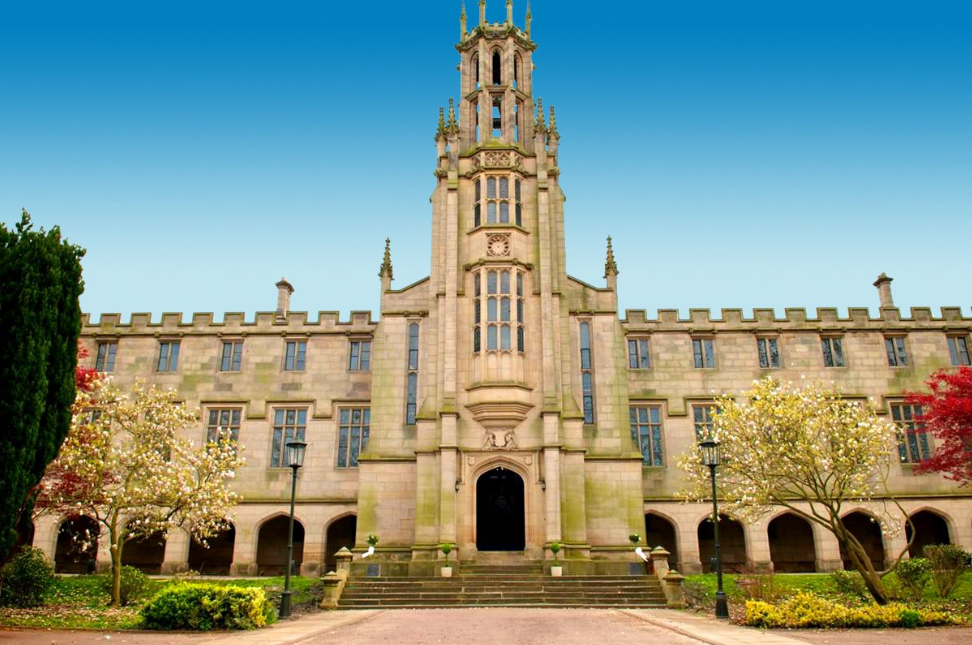
In 2010, the establishment of the British Muslim Heritage Centre represented a pivotal moment in Nasar’s journey of community service. The centre was founded with the vision of promoting community cohesion and improving relationships between Muslim communities and the broader society. It embodies the principles of dialogue, partnership, and collaboration, welcoming individuals of all faiths and backgrounds.
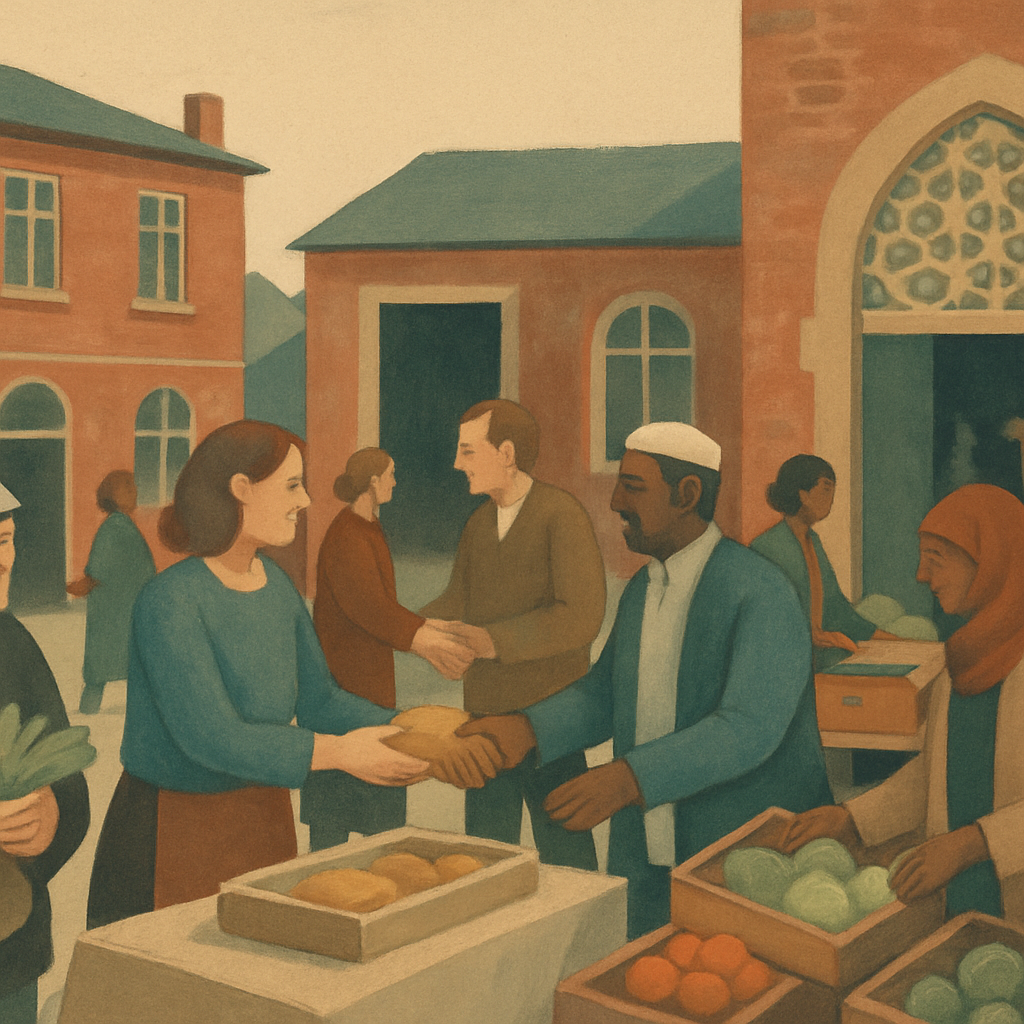
The work of the British Muslim Heritage Centre is grounded in the belief that understanding and cooperation are essential for peace and progress in a multicultural society. By fostering relationships with various organisations across the United Kingdom, the centre has made significant strides in building a united community. It actively engages with local institutions and participates in discussions that promote mutual respect and understanding.
Reflections on Integration and Heritage
Nasar’s migration story is not just a personal narrative; it reflects the experiences of many who came to the United Kingdom during the 1960s. These stories share common themes of resilience, adaptation, and the quest for belonging. Integration into a new society is rarely straightforward, but it is often enriched by the contributions of diverse communities.
As a community servant, Nasar Mahmood MBE exemplifies the spirit of service, working quietly and diligently to support those around him. His journey from a young immigrant to a respected leader underscores the importance of heritage, education, and interfaith dialogue in fostering a cohesive society. Through his work, he has built bridges that connect individuals from different backgrounds, creating spaces for understanding and collaboration.
In reflecting on his experiences, it becomes clear that the essence of migration extends beyond the act of moving; it is about the connections forged, the communities built, and the legacy left for future generations. It is about honouring one’s roots while embracing the opportunities that lie ahead. Nasar’s story serves as a reminder of the power of community and the enduring impact of those who dedicate their lives to serving others, regardless of their background.